“One of the best things about our industry is that if it (the event) goes well, we know we did a good job, and nothing is left to interpretation”
I had a debrief with the team after the Squamish Enduro; this was the most Hardware-intensive race we had ever run. (24) timing points, 3 courses, 650 racers and only 3 Zone4 staff on site.
I came from the competitive Speed Skating world where thousandths of a second matter. When I retired in 2018, I didn’t think I’d find myself working in an industry where thousandths still matter. Maybe there’s some crossover (pun intended).

How to Time the Squamish Enduro
Planning
It’s great working with an experienced organizer. Regardless, we set the stage for the event with a handful of meetings to come up with strategies for a perfect day.
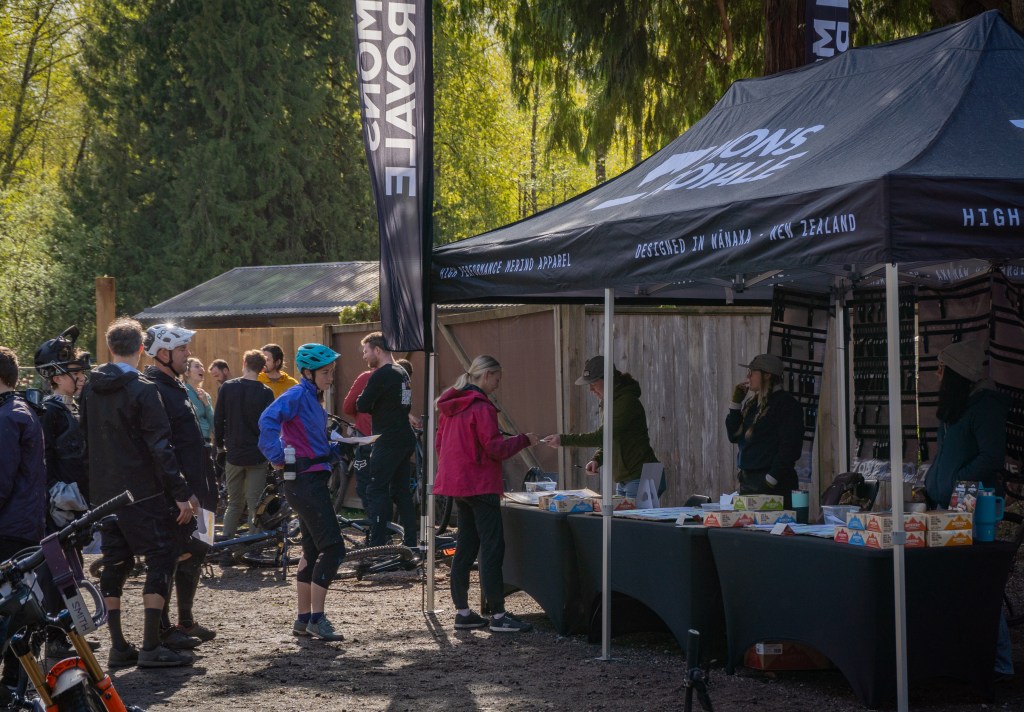
Chip Handout
It all starts with chip handout, and although this is more of an appetizer to the main course, we need to get it right. All chips are specific to the individual racing, so if John gets Alex’s chip, Jimmy = Alex in the race.
The organizing team prints out huge boards of names with chips corresponding to them for the volunteers to check off as the racers come in 650 times. A great success.
Timing Points
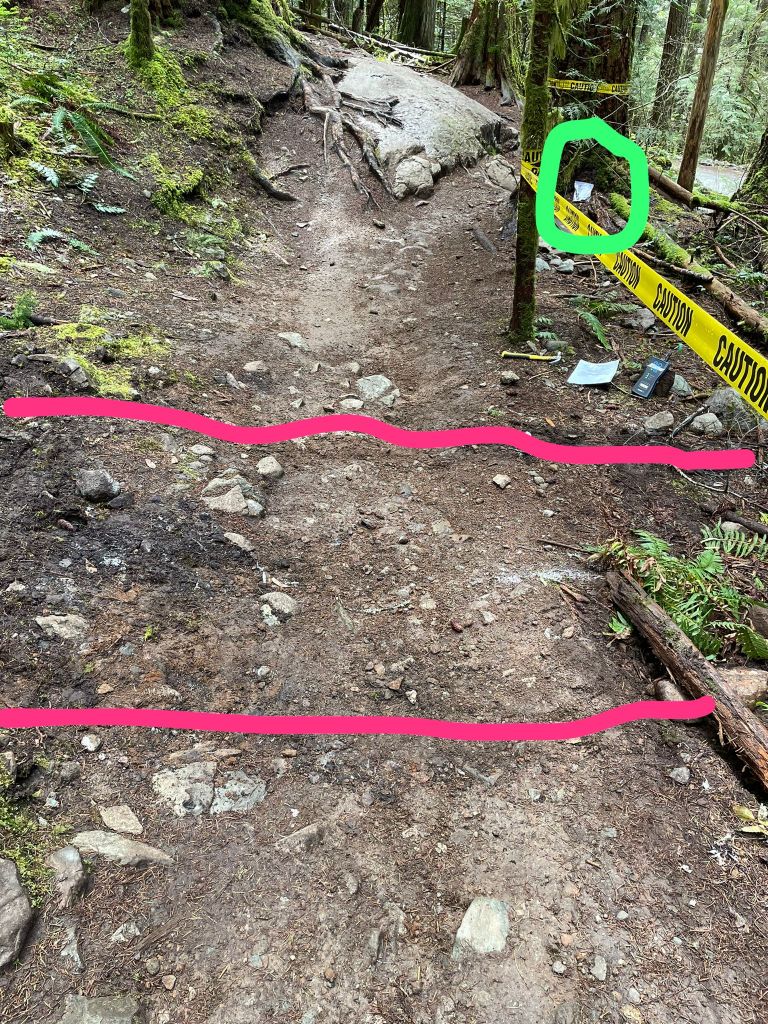
Next we need to work out how to set up the timing points. The Zone4 system is perfect for an enduro race, light and portable, it’s one of the few options that any enduro organizer has.
The key point here is getting all of the timing volunteers educated on how to set up a system. In the days before, we’ve spray painted clear lines on the ground so placement of the gear is simple. Although we’re not in the movie business, we develop a script to educate volunteers – it is clear, and distilled to the fewest instructions.
Timing points in the ground, 4 green lights, a chip scanned, and the Zone4 system lights up with green check marks to let us know we are a-o-k at that point.
Rolling Open
This is the main event from the perspective of a race timer – waiting for the first times to come through. All of the planning, and anticipation hangs on this moment, and you can feel it at race control.
As an athlete in the world of sport you’re in the spotlight when the event happens. At race control, it’s just a couple people sitting in a quiet (and dark) room saying as little as possible to keep communication clear. Despite the relaxed setting, stress is high.
…“Times from the forerunner on Stage 1, we are good to open the stage to all riders”…
The anticipation for each stage brings waves of excitement as the riders traverse the race, and as the Full, Short and Classics course open, we execute in a synchronized manner, like a well choreographed first dance.
The Zone4 team kills it.
Once Things Are Rolling
The stress fades away as time ticks smoothly, each racer stacking on the times grid. We’re on cruise control. I always have fun during these competitions; who knew that watching numbers pop up on a screen could be so exhilarating?
All the Squamish Enduro employees are sitting listening to our updates.. “Where are they now?”, “They must have had something go wrong that stage!?”, “THIS IS SO CLOSE!!”.
I love these moments while race timing.
We make race timing simple, but the impact we have on athletes and the events community is immense. The energy is infectious. The thrill of the race, the camaraderie, and the shared passion for sport create a sense of unity and excitement that’s hard to match.
The flickering screen holds our attention, each number representing a story of effort, determination, and the relentless pursuit of perfection.

…Oh and please return your chips after the race.
Blog by: Richard MacLennan
 blog.zone4