The Essential Features of a Reliable Race Timing Service
Accurate race timing is crucial for any event, and choosing the right timing system can make a big difference in both efficiency and participant experience. While manual timing methods might work for small-scale races, chip timing systems have become the standard for precision and automation.
If you’re organizing a race and looking into timing solutions, here’s a breakdown of key features to look for in a chip timing system and how they impact your event.

1. Automated Chip Timing for Accuracy
Chip timing systems use unique timing chips attached to each participant, automatically recording times as they cross various timing points. Unlike manual systems, which require volunteers and leave room for human error, chip timing ensures accuracy down to fractions of a second.
Most systems include:
- Timing Points – Chips register official start and finish times automatically. Records intermediate points to track progress throughout the race.
- Flexibility – Software driven timing lets you chose manual (classically called gun), or chip starts.
- Wave Starts & Multi-Lap Support – Useful for events with staggered start times or multiple laps.
2. Real-Time Results and Online Access
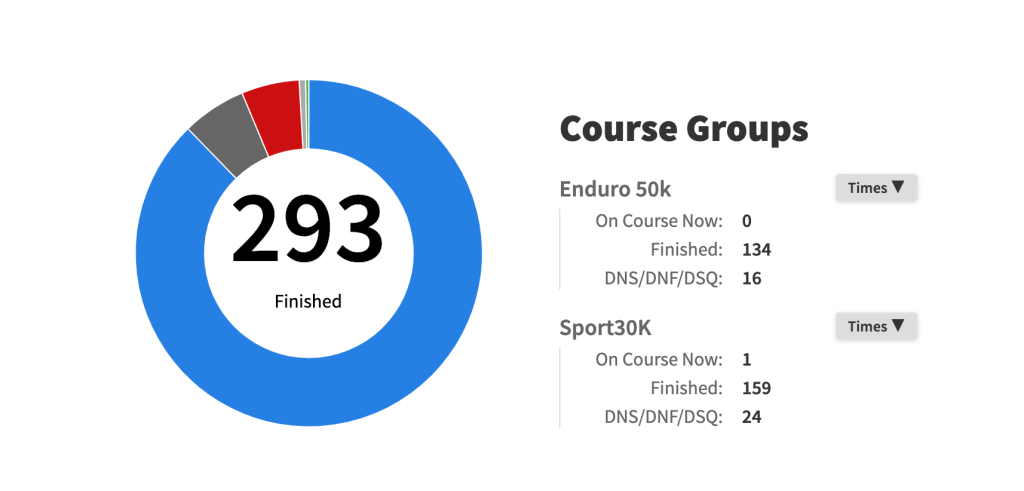
One of the biggest advantages of modern chip timing is real-time data processing. With cloud-based systems, participants and spectators can access results as soon as they finish, eliminating long waits for official standings. Features to look for include:
- Live Leaderboards – Updated instantly as racers cross timing points.
- Mobile-Friendly Results Pages – Allows participants to check results from their phones.
- Automated Result Posting – Reduces the need for manual uploads and spreadsheet work.
3. Durable & Reliable Timing Equipment
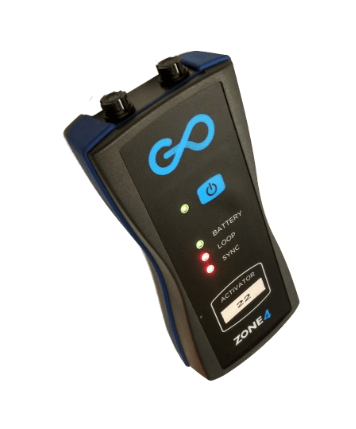
Not all races take place under ideal conditions. Whether it’s a triathlon, a cycling event, or a winter race, timing equipment must function reliably in all environments. Consider:
- Waterproof & Shockproof Chips – Essential for wet, muddy, or extreme conditions.
- Reliable / Long Range Chip Detection – Ensures every participant is recorded without interference.
- Multiple Backup Methods – Chip based backup in case of connectivity issues.
4. Integrated Registration & Bib Assignment
An efficient timing system should also streamline pre-race setup. Many modern systems integrate directly with online registration, allowing:
- Automatic Bib Assignments – Ensures participants receive their assigned chip seamlessly.
- Late Registration Support – Allows for last-minute signups without disrupting timing operations.
5. Multi-Sport & Complex Race Support
Some events require more than a simple start-to-finish timing setup. If you’re organizing a triathlon, adventure race, or other multi-segment event, look for a system that supports:
- Multiple Checkpoints & Transition Areas – Accurately records segment splits.
- Different Race Formats – Supports individual, relay, and team-based competitions.
- Customizable Scoring Methods – Allows for unique race rules and point-based systems.
6. Post-Race Reporting and Data Analysis
After the race, detailed reports help organizers analyze race performance and provide final standings. A good timing system should offer:
- Customizable Reports – Generate detailed timing sheets, rankings, and pace analysis.
- Participant Lookup Tools – Allows racers to search for individual results.
- Historical Data Comparison – Useful for repeat events to track improvements over time.
Choosing the Right Timing System for Your Race
No two races are the same, so selecting a timing system that matches your event’s specific needs is key. Why not consider a versatile chip timing system that works for any type of race?
Whether you’re organizing a local trail run or a national-level cycling race, a well-designed chip timing system improves efficiency, accuracy, and participant satisfaction.
If you’re considering a timing system, explore what’s out there. With the right setup, your event will run smoothly from start to finish.
 blog.zone4