“It’s like having an air traffic controller for your event”
Hundreds of races use remote timing successfully; below are two real-life case studies. The Salty Marie Trail Fest, and the Island Cup Enduro Race Series.
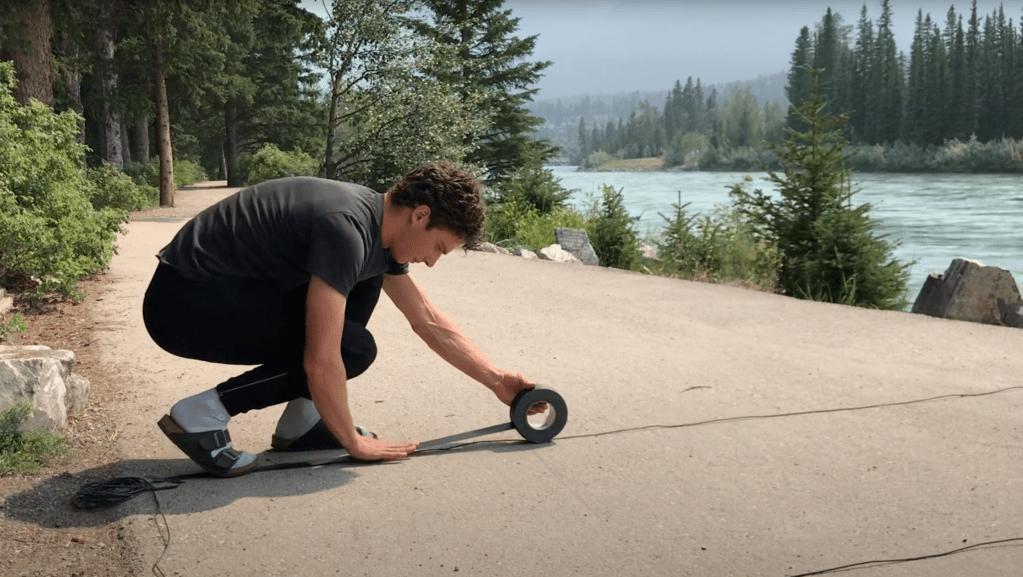
How does it work?
For years, race organizers had two options: juggle stopwatches and hope for accuracy, or pay heavily to bring in professional timers. Today, a third option is emerging.
Remote timing splits the job. Local volunteers handle the basics – placing timing gear, handing out chips – while a remote expert manages the software, monitors results live, and troubleshoots from a remote office with a large screen.
The result is the professionalism of a full-service crew, but at a fraction of the cost. More importantly, it makes accurate chip timing possible for races that used to think it was out of reach.
Case Study: Salty Marie Trails Fest
Sault Ste. Marie is far from the big cities where timing companies are based. When Salty Marie expanded into a three-day festival with multiple bike and trail races, bringing in an on-site timer wasn’t realistic. Instead, they chose remote.
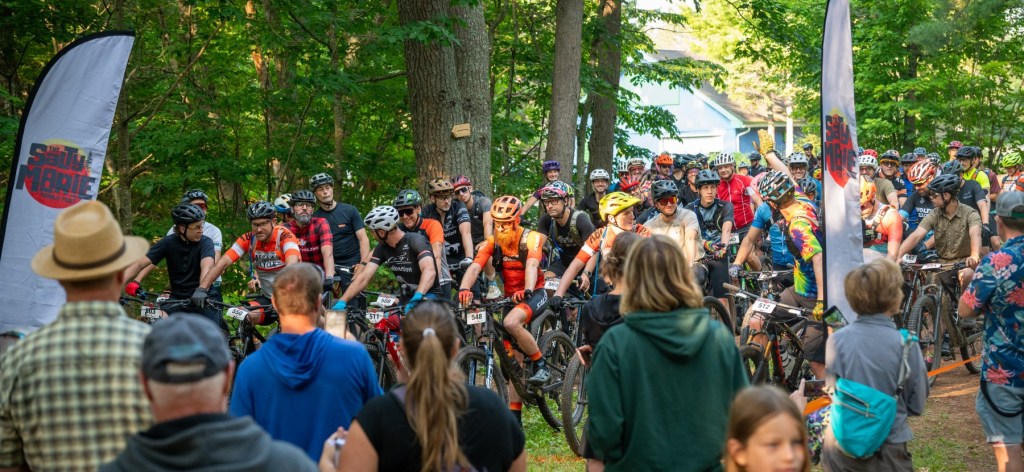
https://www.redpinetourscanada.com/thesaltymarie
Local volunteers, many timing for the first time, set up the GoChip equipment. A Zone4 expert, hundreds of miles away, monitored the data live. Even during the ultra ride, volunteers at the finish line were backed by a remote timer watching progress split by split.
The outcome: seamless timing that impressed participants and gave the community ownership of the event. One organizer later said, “We did the legwork, they handled the numbers, and it all just clicked.”
Case Study: The Island Cup Series
“Local Volunteers, Pro Results” https://islandcupseries.com/
On Vancouver Island, the Island Cup Series – a grassroots mountain bike series – runs on local passion and volunteer power. Each race is hosted by a different community club. For years, timing was ad hoc. Now, every event in the series is powered remotely. These races typically have 10 timing points (5 stages) and rely heavily on volunteers.
Here’s how it works: volunteers pick up a timing kit, set up timing points, and test the system. A remote timer verifies the reads, helps open the course and stays on call throughout the race. They can even help sweep the course virtually with live tracking.

If a racer gets handed the wrong chip, or something goes wrong, a quick call to the dedicated remote timer has it sorted in minutes. Results keep flowing, and riders never notice a hiccup.
Throughout the event, riders had live online results, and after the big day volunteers felt proud to have pulled it all off.
Why Remote Timing Works (and Why It’s Here to Stay)
Stories like Salty Marie Trails Fest and the Island Cup Series illustrate a broader truth: remote timing addresses key pain points that have long limited grassroots and mid-sized events. It’s not just a cool tech experiment – it’s a strategic solution with powerful ripple effects. Let’s break down the core benefits:
Professional Quality (Without the Headache): Ultimately, a timing solution lives or dies by its accuracy and reliability. Race directors might love saving money and empowering volunteers, but none of it matters if the times are wrong or delayed.
This is where remote timing has proven itself.
By keeping experienced eyes on the data at all times, it actually reduces the chance of errors slipping through. The software is monitored live, from a quiet location with a big screen so the remote timers are not impacted by the local weather and noise. If an adjustment is needed, the remote expert catches it immediately. It’s like having an air-traffic controller for your race data – nothing is left unchecked. The result is fast, trustworthy results that meet the standards of even the most serious athletes. At Salty Marie, for instance, results were live online the moment each race ended, and final official times were published within minutes of the last finisher. Meanwhile, organizers got the peace of mind that comes with knowing an expert was double-confirming everything. “It’s funny, I actually had more confidence in the results when someone was watching remotely than when I used to do it all alone at the venue. Two sets of eyes beat one.” – Tod Sleeman.
In other words, quality isn’t sacrificed at all – it’s enhanced.
Cost Savings: For many events, especially nonprofit or community races, hiring a full on-site timing crew can consume a huge chunk of the budget after paying for travel, accommodations, food, etc. Remote timing slashes those costs. Organizers typically pay a modest fee for remote support, and they can often rent timing gear rather than buying a full setup. The Salty Marie Trails Fest, for example, saved thousands in labor costs by opting for remote support, freeing up funds to invest in better racer experience (like that extra aid station with homemade cookies and pickles on course!). Lower costs make races more sustainable and even allow organizers to keep entry fees lower for participants.
Scalability and Reach: There are only so many professional timers out there, and they can only be in one place at a time – at least physically. Remote timing changes that equation. A single skilled timer can oversee events on both Saturday and Sunday in different locations or handle a big race remotely while also prepping for the next one. For timing companies and services, this scalability means they can help more events in more places without spreading themselves thin. For organizers, it means that even if you’re staging a race in a far-flung town, you can still access expert timing. In practical terms, it levels the playing field – no race needs to feel “too small” or “too remote” to deserve quality timing. This is a game-changer for emerging events in rural areas or developing sports scenes.
Community Empowerment: One of the most inspiring aspects of the remote timing model is how it empowers local volunteers and clubs. Instead of outsourcing everything to outsiders, the community gets to actively participate in making the event a success. Volunteers learn new skills – how to operate timing hardware, how to manage data entry, and have support to troubleshoot under pressure.
At first, some organizers worry that asking volunteers to handle timing will be asking too much. But time and again, volunteers prove eager to step up, especially knowing that an expert has their back. It becomes a point of pride and over time, this builds local capacity. Perhaps today it’s just plugging in cables and calling the remote support line, but tomorrow those same volunteers might become the region’s go-to timing gurus.
In short, remote timing doesn’t just deliver results to the community – it develops the community.
Looking Ahead
Remote timing is more than a cost-saving hack – it’s a shift in how the endurance community runs events. The implications are exciting. If a remote mountain bike festival in Northern Ontario can deliver top-tier results and a scrappy island race series can run like a pro tour, what else becomes possible?
For very large, high-profile events with thousands of racers and multiple splits, a full on-site crew may still be the right choice. But for the vast majority of community races, remote timing is now the smarter play.
The future of race timing is distributed, supported, and scalable. Volunteers do the groundwork, experts watch from afar, and together they deliver world-class results.
The next time you cross a finish line and check your time on your phone, consider this: the person making sure that number is right may be sitting at a desk hundreds of miles away. And that, increasingly, is the future of race timing.
Want a more detailed look at remote timing for your race? Drop your email below, and we’ll have someone from our team contact you!


 blog.zone4