This Q&A is meant to detail how to manage chaos from the perspective of an athlete, and contrast it with how event chaos can impact the organizer. Unless otherwise stated or referenced, all answers are based on best practices and key learnings and are not direct quotes.
Enjoy the stories.
What if wildlife appears on the course?
Timer Take: We’ll have to stop the racers, and let the wildlife pass, but that creates a new problem. Not all racers will be stopped at the same time.
One option is to have checkpoints for “wildlife closures”, where an entire section of the course would be closed due to wildlife. The idea here is to create a “time bank” for the runner that they get back at the end of the race. Runners arriving at the start of a closed segment wait at that checkpoint until the section is clear of wildlife, and their free to continue.
Total time spent waiting for wildlife is calculated, and subtracted from their overall time.
It’s not a perfect system, but it gives the racers a time at the end of the day.
Racers: Encountering wildlife mid-race can be both awe-inspiring and nerve-wracking. The key is to stay calm and follow instructions from officials. If a bear, moose, or even an angry farm dog crosses your path, your race time instantly takes a backseat to safety.
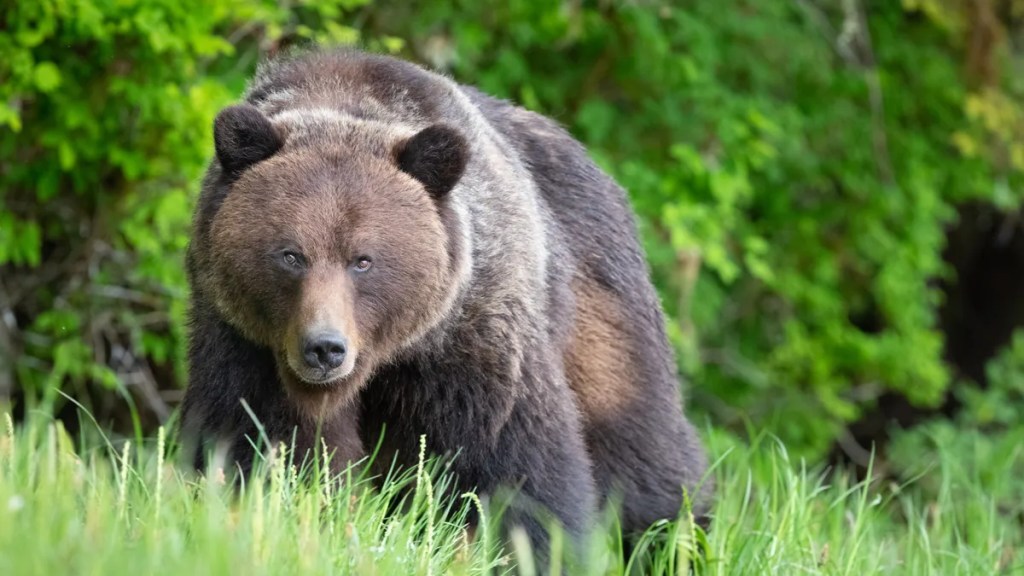
In June 2024, runners in the Banff Marathon learned this when a grizzly bear and her cubs decided to join the marathon route. Organizers immediately stopped the race, and dozens of runners found themselves quietly standing on the road, watching park rangers escort the massive bear away[21].
One front-runner, Andrew Payne, was halted three separate times by bear sightings – adding an unexpected 90 minutes to his finish time[22]! How did he cope? Payne described walking backwards slowly away from the bear, keeping it in sight, and staying ready to sprint for a safety vehicle when instructed[23]. He still finished (and won) the marathon, proving that mental flexibility trumps speed when nature intervenes. So, if you’re a racer, do the same: listen to the course marshals or park staff, who might ask you to stop, wait, or reroute.
Do not attempt to sprint past an animal or scare it off – that’s not your job (and could end horribly).
Use the pause to hydrate, refuel, and mentally reset. Wildlife encounters can be scary, but also remember – this is a wild story you’ll get to tell! Embrace it as part of the unique challenge of racing in nature.
Even though it’s not a continuous marathon, maybe the race pauses let you set an unofficial PB!?
Organizers: Races that go through wild areas must have a wildlife safety protocol baked into their logistics. This includes working with park authorities or wildlife experts in advance, having spotters or rangers on course, and educating runners on what to do if they encounter animals.
The Banff Marathon is a case study in preparation: the race takes place in a national park with ~65 grizzly bears roaming the habitat, so organizers and runners alike go in expecting possible wildlife holds[26]. Race Director Paul Regensburg noted that Banff is “not a typical marathon, we know this can happen so we were prepared for it”[27]. That preparation paid off – when multiple bears showed up, the team efficiently halted runners and deployed park officials and vehicles to clear the course[21].
No one (neither human nor animal) was hurt, and the race resumed once it was safe. To achieve this kind of outcome, you should coordinate closely with local wildlife agencies. Consider course alterations if an area is known to have aggressive animal activity (some trail ultras will reroute or close certain trail sections during calving or breeding season, for example). Also, brief your volunteers on how to handle wildlife sightings – they should have clear authority to stop racers and knowledge of distance rules (e.g. keeping 100m away from bears).
Another successful example: the Divide 200 ultra in Alberta, 2025, where a mother grizzly and cubs were spotted near the route. Organizers immediately halted runners before the danger zone and implemented a course diversion to bypass the area[29]. Runners were held until confirmation that none were near the bear, then everyone was routed safely around.
That’s the gold standard: swift action, clear communication, and a pre-planned detour. If you do have to fully stop or delay the race, communicate transparently to participants about why. Most will be very understanding – after all, a PR is not worth a mauling. In the end, managing wildlife on race day is about respecting nature’s rules.
What if it snows on race day?
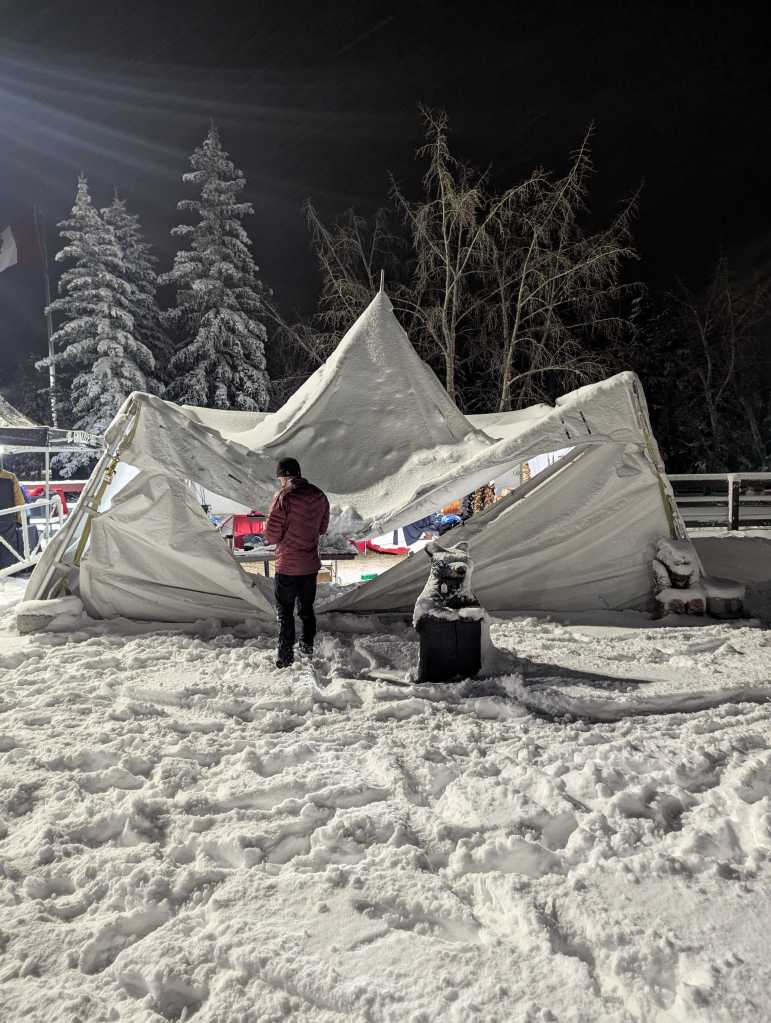
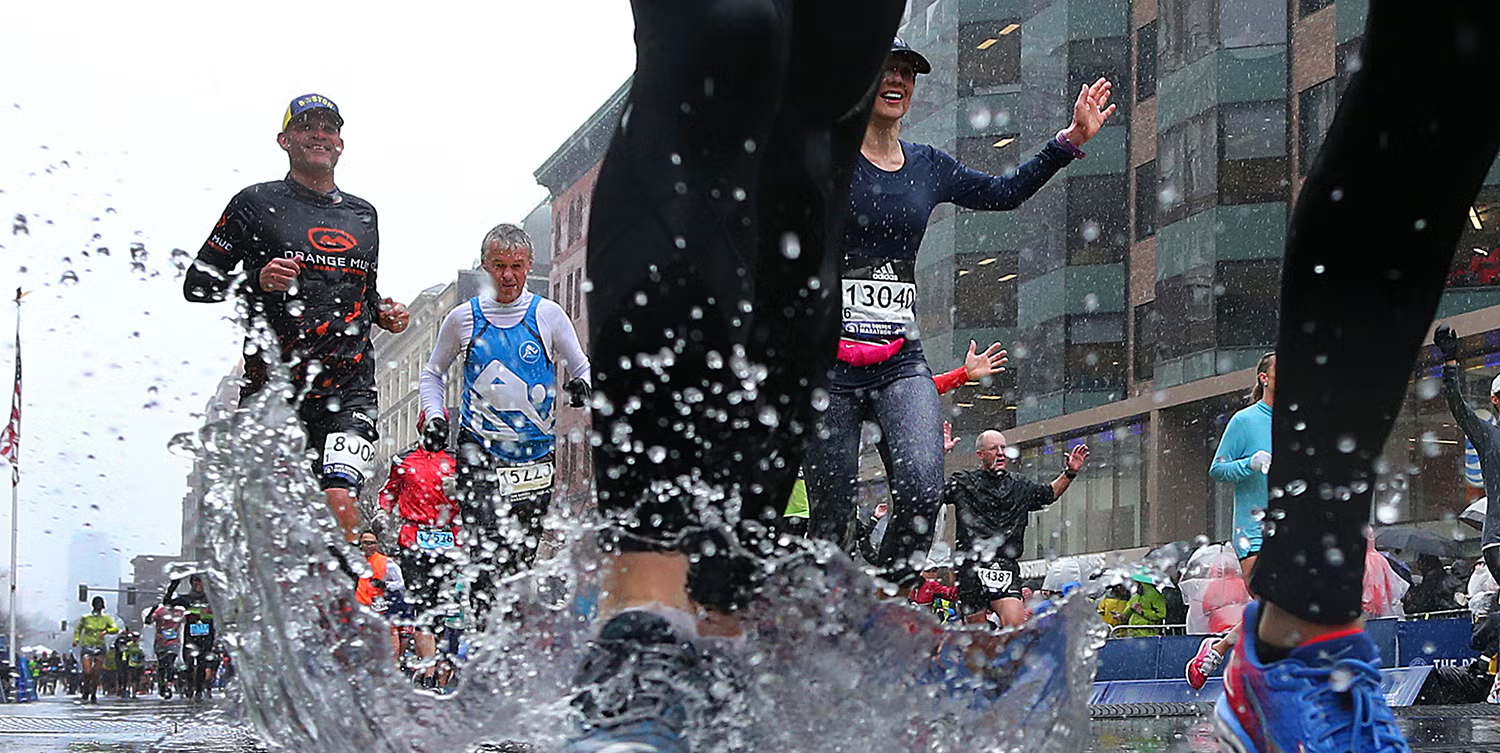
Athletes: A surprise snowstorm on race morning can feel daunting, but it doesn’t mean your race is doomed. Top athletes have learned to adjust expectations and gear up for the cold. For instance, the 2018 Boston Marathon saw freezing rain and even snow on the ground; winners ran the slowest times in decades because of the brutal cold[1][2].
Take a cue from those elites: prioritize finishing safely over hitting a personal record. Dress in layers, wear waterproof gear, and use traction aids if it’s icy. Be prepared for a tougher day – your body will burn more energy staying warm, and more runners may drop out (in one notoriously frigid Ironman race, 21% of the field did not finish due to hypothermia and cold fatigue[3]).
Stay positive and adaptable: focus on the adventure of running through winter wonderland conditions rather than the clock. Remember, every racer around you is facing the same challenge, and pushing smart (not just hard) becomes the key to success.
Organizers: Snow and ice present serious safety concerns, so proactive adaptation is critical.
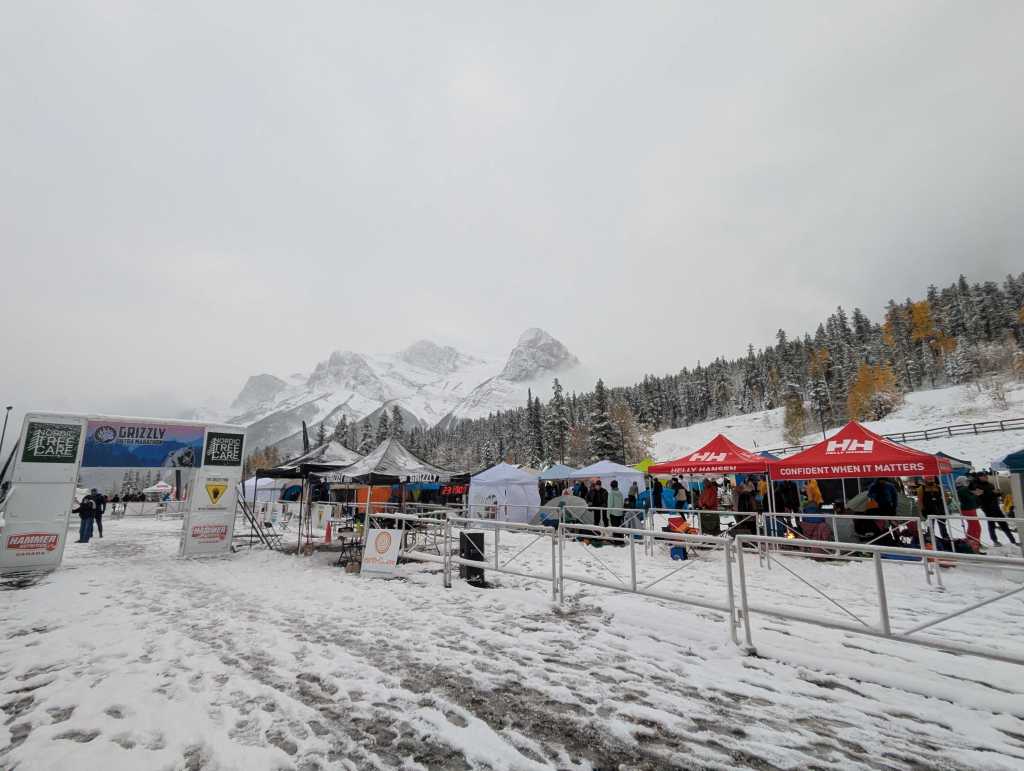
Monitor weather forecasts closely and have contingency course plans ready. For example, at the Canmore Grizzly Ultra Marathon (a late-season Canadian trail race), an early snowfall forced organizers to reroute runners off a dangerously icy singletrack leg – yet they kept the race going with a modified course, rather than cancel outright (race director Tony Smith noted it was only the second snowy race weekend in the event’s 14-year history, and they were determined to make it work).
Your priority should be preventing hypothermia and injuries: add extra heating tents or hot drinks at aid stations, and consider mandatory gear (gloves, shell jacket, etc.) if conditions demand. Don’t hesitate to shorten or pause the race if a blizzard makes the course untenable.
A recent extreme example comes from the DC Peaks 50 ultramarathon in Utah: a sudden blizzard dumped 12–18 inches of snow, stranding 87 runners in whiteout conditions and forcing a full mid-race evacuation[4][5]. Thanks to well-executed emergency plans, every runner was safely rescued and none were hospitalized[6][7]. The race director called it a success “because the backup plans were carried out and everyone got home safe”[8].
The lesson: plan, practice, and communicate your snow emergency protocol – from having snowmobiles or 4x4s on standby, to instructing volunteers on hypothermia signs. If you handle a snow day well, racers will remember it as an epic adventure rather than a disaster.
What if it’s extremely hot?

Athletes: Heat is the silent enemy that can creep up on you fast. If race day brings blazing temperatures, your mantra can become“hydrate, adapt, survive.”
Start slower than usual, take in fluids and electrolytes early and often, and adjust your goals – a personal best is unlikely when it feels like an oven out there. Pay attention to your body’s signals: dizziness, chills, or goosebumps in heat are red flags of overheating or dehydration.
Many runners learned this the hard way at the 2007 Chicago Marathon, which was halted midway when 31°C heat (88°F) and high humidity overwhelmed participants[10]. By noon, organizers had to cancel the race as ambulances struggled to keep up; over 300 runners were sent to hospitals with heat-related illnesses[10]. Those who fared best were the ones who adjusted – seeking shade, slowing their pace, and not skipping water stations.
In scorchers like the Ironman China race in 2009, even pros described the course as a “war zone” of collapsing competitors and endless ambulances[11].
The takeaway for athletes: respect the heat. Wear light, breathable clothing, use sun protection, douse yourself with water at aid stations, and don’t be too proud to walk if needed. Survival is victory on a super-hot day. Crossing the finish line under brutal conditions proves your mental toughness, even if the clock is the furthest thing from what you hoped.
Organizers: High heat is a predictable chaos agent – you often know it’s coming, so there’s no excuse not to be ready. Plan ahead with a heat contingency plan. This might mean setting up extra water stops, stockpiling ice and sponges, and arranging misting tents or sprinklers on course.
Many major races now include heat alerts in pre-race communications; Chicago’s organizers, for example, emailed warnings and added 400,000 extra drink servings before the 2007 meltdown, yet it still proved insufficient[12][13]. Learn from that experience: if forecasted temps are extreme, consider starting the race earlier in the cooler morning or shortening time on course (even to the point of offering a “heat-adjusted” shorter race). Ensure medical staff are abundantly available and empowered to pull runners showing signs of heat stroke. Also have a clear decision trigger for delay or cancellation – runners may be tough, but no PR is worth a life. Some events have even moved their date to a cooler season after one too many blistering years[14].
On race day, communication is king: announce course adjustments, remind runners to slow down and drink, and encourage spectators to help (in Chicago, bystanders famously bought and handed out water when official supplies ran low[15][16]).
In extreme cases, be ready to pause or stop the race. It’s a hard call – the 2007 Chicago Marathon organizers initially hesitated to cancel because of the event’s momentum – but as soon as runners’ core temperatures skyrocket, every minute counts. It’s far better to have some disappointed finishers than a mass casualty event. Heat may be chaos, but with vigilant management (and humility to respect Mother Nature), you can still get most everyone through safely.
What if the course or schedule changes suddenly?
Athletes: Flexibility is a superpower on chaotic race days. Courses can change last-minute due to landslides, floods, or other surprises. You might arrive at the start to find the distance has been shortened, or mid-race a volunteer waves you down a detour you didn’t expect. Your job is to go with the flow and trust that these decisions are made for good reason. Mentally, it helps to frame any change as a new challenge rather than a disappointment.
Consider the famous 2010 Ultra-Trail du Mont-Blanc (UTMB) in France: runners trained all year for this 100-mile mountain ultra, only for a freak storm and mudslides to force officials to cancel the race a mere 31 miles in. Many of those runners even took part in an unofficial fun run the next day or a shortened “consolation” race that organizers managed to whip together at the last minute. That kind of adaptability is what you want to channel.
If your race gets a sudden change – be it a delayed start, a mid-course pause, skipping a dangerous section, or even being told to stop entirely – handle it with grace. Keep your muscles warm, stay fueled, and adjust your pacing for the new distance if it’s different.
Organizers: “No plan survives first contact with reality,” the saying goes – and race directors know this all too well. Contingency planning is your safety net. Long before race day, brainstorm every plausible disruption: a bridge under construction, a washed-out trail, a train blocking a road (yep, trains), a lead vehicle misdirecting runners – then decide how you’d respond. Having an alternate course or the ability to improvise one is huge.
For road races, maybe it’s worth mapping a short loop you can repeat if part of the route is closed last-minute. For trail ultras, consider an out-and-back section that can replace a closed loop in a pinch. Importantly, get the necessary permissions ahead of time if you think you might use an alternate route.
When chaos strikes, act decisively and communicate clearly. Use every channel: PA announcements, text alerts, course marshals yelling to runners – make sure people know about the change as soon as possible.
A positive example comes from a major triathlon, the Escape from Alcatraz in 2017. On race morning, vicious winds made the San Francisco Bay too dangerous to swim. The race director literally got on a bullhorn and informed 2,000 athletes, who were about to jump off the ferry, that the swim was canceled and the race would restart as a bike-run duathlon[36].
It was the first time in 37 years they had to cancel the iconic Alcatraz swim, but the rapid response kept everyone safe (if a bit disappointed). Most importantly, they still delivered an event by having athletes continue on land.
In the end, contingencies are about expectation management. Do it right, and your race’s chaotic day will be remembered as a masterclass in adaptability rather than a failure.
What if a thunderstorm or lightning rolls in?
Athletes: Sudden thunderstorms can upend a race in minutes. You might be cruising along when dark clouds gather and officials abruptly hold you at an aid station or under a shelter. In this situation, patience and safety are your best strategies. Remember that any pause is about protecting you. If lightning is spotted or heavy storms hit, don’t complain – take cover as instructed, keep yourself warm (use a poncho or garbage bag to avoid getting soaked and chilled), and stay mentally ready to resume if the race continues. It’s normal to feel frustrated watching the minutes tick by during a delay, but try to reframe it as part of the adventure.
Top triathletes have faced this: in the 2016 Ironman Texas, a fierce thunderstorm with hail and lightning caused officials to corral all competitors into parking garages and under overpasses for up to 45 minutes. Athletes huddled together until it passed, then continued the race once it was safe. Some lost their momentum, but many found a second wind after the break. If the race organizers decide to cancel mid-way for safety, as disappointing as that is, accept it gracefully.
You can run another day; the important thing is that you’re alive and unharmed to do so. Use the experience as a mental training tool: dealing calmly with uncontrollable events is a hallmark of resilient racers.
Organizers: Inclement weather like thunderstorms or high winds require split-second decisions and clear protocols. The safety of participants, volunteers, and spectators is non-negotiable – if lightning is within an unsafe range, you must pause the event. Develop a weather monitoring system (many races have a dedicated weather officer on the team) and establish predetermined shelter locations. Communicate these plans in advance so everyone knows what will happen in a weather hold. A great example of effective management was Ironman Texas 2016: as the storm hit, organizers immediately directed racers into garages and under solid structures, essentially executing a mid-race evacuation[17]. Once the lightning cleared, they smartly resumed the race and even handled results by using split times from before the stoppage to ensure fairness in awards[19].
This shows the value of having a detailed lightning plan, including how to restart the event. Similarly, many city marathons have “cooling buses” or buildings along the course to herd runners into if a dangerous storm erupts.
Make sure to test your communication channels: can you instantly notify all course marshals and aid stations to halt the race? Do volunteers know how to keep runners calm and informed during a holding pattern? And if you must cancel, have a system for transporting people back to the start/finish safely.
It’s also wise to practice a bit of PR here: a quick social media update or text alert to runners’ families about the delay/cancellation helps manage the public’s understanding.
Ultimately, handling a storm is about swift action and transparency – runners may be disappointed, but they will overwhelmingly support your decision if it’s clearly made in the interest of their safety[20].
Thriving on Chaos – A Checklist for Preparedness
Chaos on race day is never planned, but it can certainly be prepared for. Whether you’re a runner gearing up for anything or an organizer scripting out emergency playbooks, the stories above show that the unexpected can be handled with courage and creativity.
As an athlete, you’ve seen the importance of mindset – staying calm, flexible, and safe comes before any podium or PR.
As an event organizer, you’ve learned the value of over-preparing – because when the sky falls (sometimes literally!), you must respond with speed and confidence.
In the end, racing in chaos is about finding opportunity in adversity. Snow, heat, storms, wildlife, course detours – these can become legendary stories of triumph when approached with the right mindset and preparation. So the next time you catch yourself asking, “What if everything goes wrong?”, smile and remember: that’s when the real adventure begins. Embrace the uncertainty, trust your training and planning, and you might just set a “Snow Day PR” that means more than any fair-weather finish ever could.
[1] [2] Boston Marathon 2018 Results | Top Moments Boston Marathon 2018
[3] [11] [14] [17] [18] [19] [36] Recalled: Five Times Mother Nature Brought the Drama On Race Day – Triathlete
[4] [5] [6] [7] [8] [24] [25] Runners who fought ‘near whiteout conditions’ during Utah ultramarathon had one choice: Keep moving.
[9] [10] [15] [16] The Chicago Marathon was cancelled due to heat — 315 people taken to hospital – The Weather Network
[12] [13] Melt Down | Runner’s World
[21] [22] [23] [26] [27] Marathon grinds to a halt when wayward grizzly bears take over the course | Advnture
[28] Grizzly on Banff Marathon Race Course 2024 … – YouTube
[29] [30] Grizzly bear disrupts Alberta’s Divide 200 ultra-trail race – Canadian Running Magazine
[31] UTMB Canceled at 31 Miles Due to Weather – Ultra Running Magazine
https://ultrarunning.com/ultrarunning-news/utmb-canceled-at-31-miles-due-to-weather/
 blog.zone4